


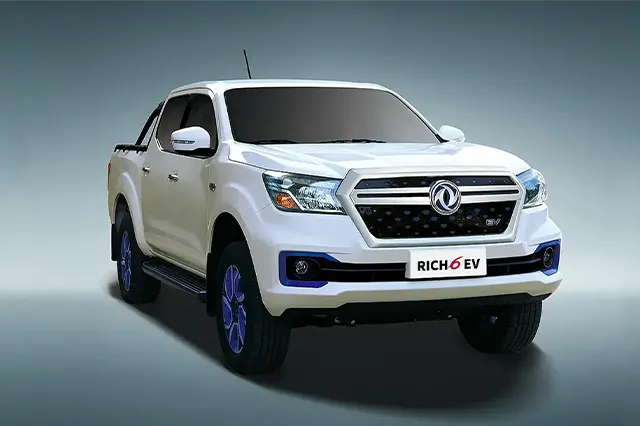


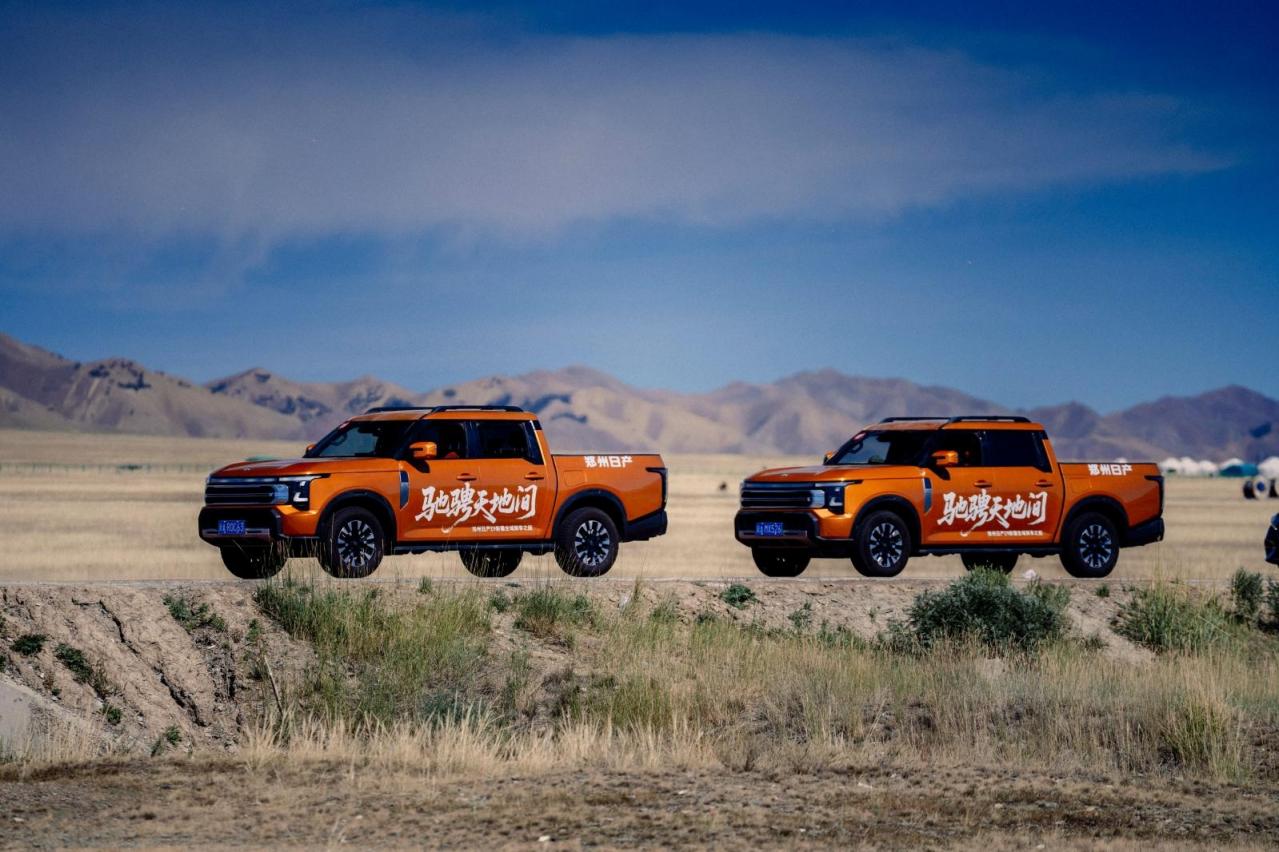

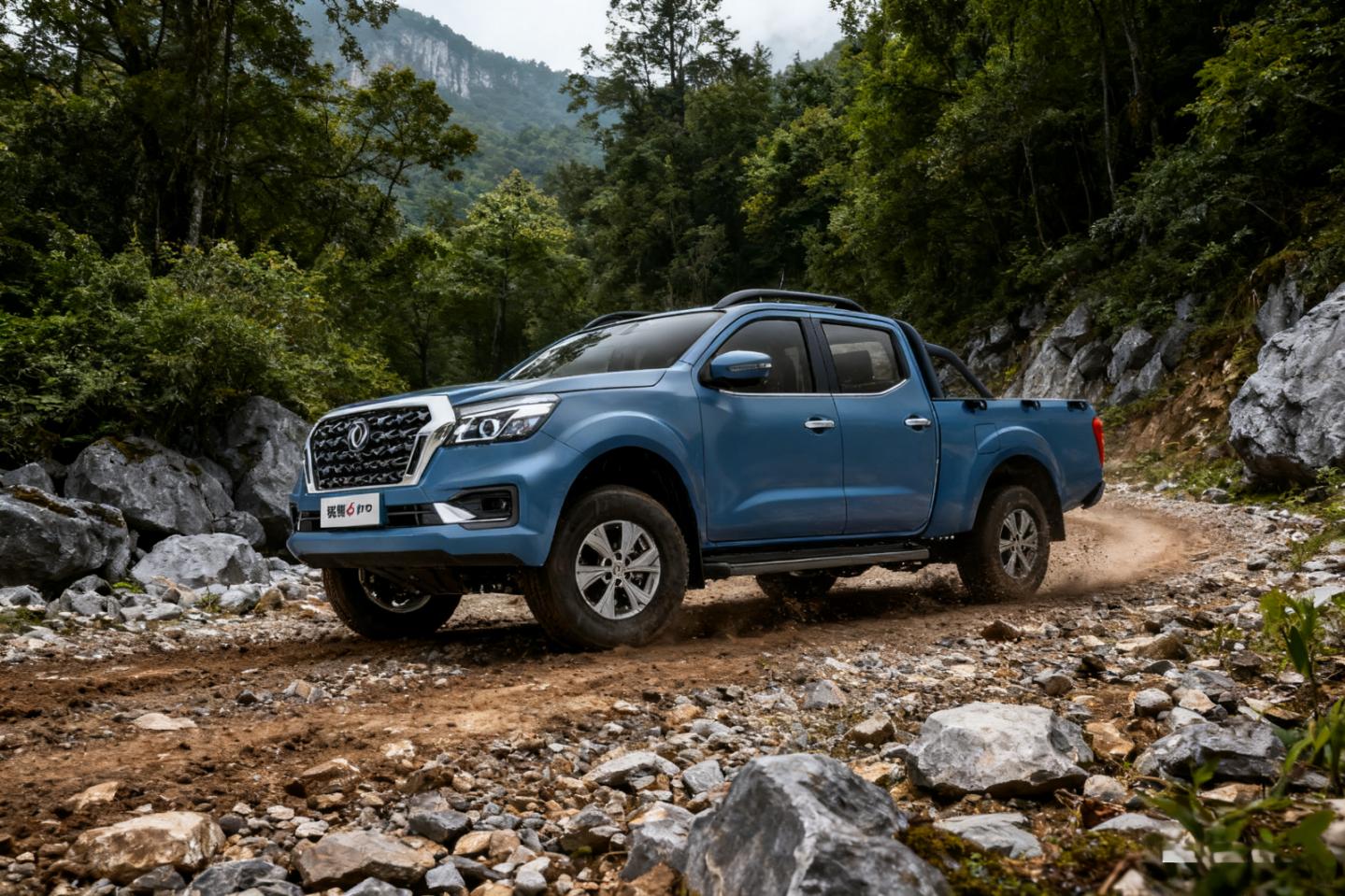
Eco-Smart Trusted Trucks for Fuel Economy 2025 You Can Rely On
2025-10-21


In a year of tight budgets and tighter deadlines, every liter counts. Trucks for Fuel Economy in 2025 decide profit or pain. Our trusted pickups aim to stretch fuel, hold torque, and stay composed when roads turn rough. But what lets them pull hard and still sip diesel? And why do they feel steady in traffic yet strong on climbs? The clues sit under the hood and inside the gearbox. Keep reading - one quiet upgrade may change how you plan every mile.

Why Trust And Economy Matter More Than Ever
Margins in 2025 are slim, deadlines are tighter, and customers expect on-time delivery regardless of traffic, weather, or gradient. A truck that drinks fuel in city stop-and-go, hesitates on ramps, or gets flustered on muddy worksites doesn't just cost money - it costs reputation. That's why Trusted Trucks for Fuel Economy in 2025 must excel in three areas: consistent urban efficiency, confident grade performance, and true passability when pavement gives way to ruts, sand, or snow. Every design decision on the Z9 chases those outcomes. We mapped the owner's week - from pre-dawn market runs to late-day site calls - and tuned the vehicle for the messy middle: rolling starts, partial loads, short bursts of acceleration, and frequent transitions between paved and unpaved surfaces. The goal is a truck that feels alert at low speed, relaxed at highway cruise, and unbothered by poor surfaces, all while keeping total cost of ownership under control.
M9T Diesel, Built To Do More With Less
At the heart of the package is Dongfeng's new-generation 2.3T M9T-500 diesel. It delivers 140 kW of peak power and a class-leading 500 N·m of torque held broadly from 1,500 - 2,500 rpm, so the engine sits in its sweet spot during the real work - merging, towing, creeping through sites, and tackling long grades. The combined figure of 7.7 L/100 km shows the intent: strong performance without the penalty at the pump. Numbers matter, but how you reach them matters more. The Z9 uses a big-frame Variable Geometry Turbocharger (VGT) rather than a fixed-vane unit. VGT alters vane angle in response to load and speed, which cuts lag at low rpm and opens flow at higher rpm. You feel two things immediately: smoother take-off when the bed is full and steadier pull on sustained climbs. That same adaptability reduces unnecessary throttle inputs in traffic, nudging consumption down over a full day's route.
Fuel delivery is equally deliberate. High-flow, eight-hole injectors push capacity from 860 ml/min to 1,050 ml/min with finer atomization. The effect is cleaner combustion and more precise torque control, particularly under partial load. Pair that with a Delphi twin-plunger high-pressure common-rail system - a robust radial pump, electromagnetic injectors that meter timing and quantity with accuracy, and a PLV pressure-relief valve to protect the rail - and you get stable pressure, reliable starts, and consistent performance in heat, cold, and altitude. The outcome is the kind of drivability owners call "quietly strong": less pedal, more progress, fewer surprises.
Driveability is only half the equation; uptime is the other. On Euro 5/6 variants, our self-cleaning exhaust is engineered to stay in the background. Regeneration stretches to about 400 km between cycles, finishes in under 30 minutes, and can run three ways: one-touch when coolant is at 50 °C, automatic in-drive with no driver input, or unattended after you've locked the truck - status viewable in the app. We validated the system in Turpan heat and on high-plateau climbs around Chuxiong, Chamdo, and Dunhuang, because real fleets operate where conditions are least forgiving. Less time thinking about aftertreatment means more time delivering.
Control Where It Counts
Power is only useful if you can put it down. The Z9 offers ten all-scene modes - Normal, ECO, Sport, Snow, Sand, Rock, Mud, Expert, Tank Turn, and Crawl - alongside 2WD, high-range 4WD, and low-range 4WD. This is not a marketing checklist; it is a way to tailor throttle, shift strategy, and traction logic to surfaces that change by the hour. In ECO, the truck leans on the M9T's fat torque band to hold lower revs and sip fuel through the city. Switch to Rock or Mud and you get measured wheel speed and steady torque delivery to maintain momentum without digging in. Tank Turn helps pivot in tight compounds, while Crawl turns steep, broken ground into a slow, controlled ascent or descent.
Transmission choice ties it together. The ZF 8AT - a unit trusted by premium brands - keeps the M9T on the broad torque plateau, swapping ratios cleanly under load and settling into fuel-saving gears at cruise. With a full payload the Z9 moves from 0 - 40 km/h in 3.4 seconds, which matters not for bragging rights but for short, busy merges and quick site entries that keep schedules intact. Owners who spend their days shuttling between city depots and rural jobsites will notice something simple yet important: less need to plan around the terrain. The truck adapts, you keep moving, and the fuel log stays predictable.
While bullet lists can oversimplify, three owner-level takeaways are worth calling out:
✅ The engine's torque plateau lets you work at lower rpm, saving fuel without feeling slow.
✅ The VGT turbo closes the gap between "loaded" and "light," so drivability stays consistent.
✅ Longer exhaust regen intervals and quick cycles reduce unplanned stops and service anxiety.
What You'll Notice In Week One
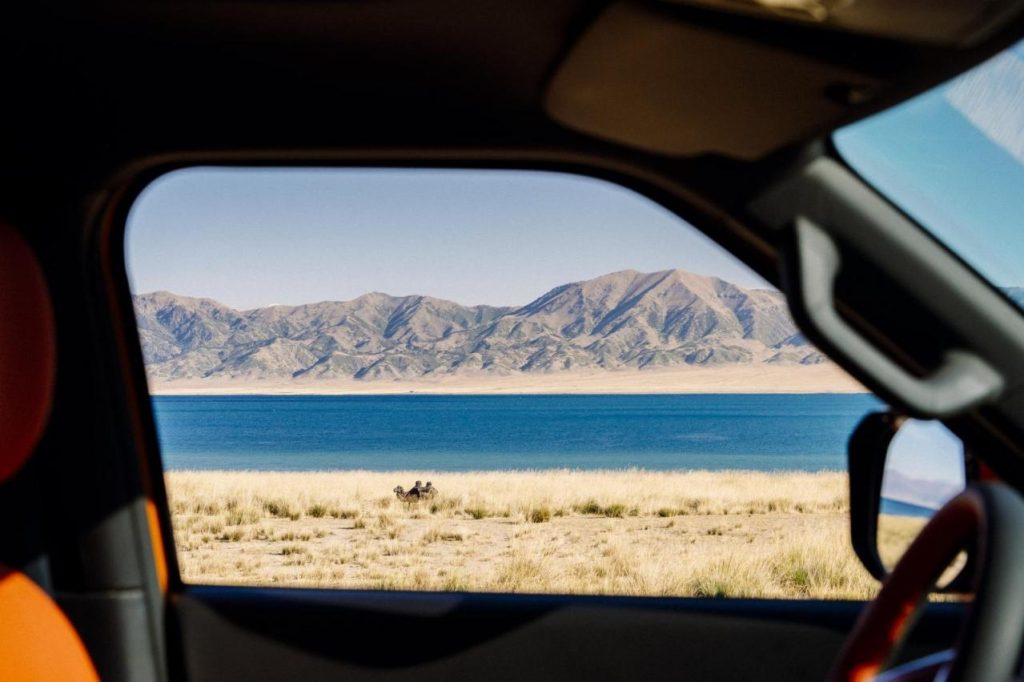
City haulers will see the fuel gauge fall more slowly on stop-start routes, and they will feel the truck step smartly into traffic with modest throttle. Contractors who tow or climb graded access roads will discover that mid-range torque holds steady without frantic downshifts. Operators who split time between paved roads and sites will appreciate how quickly the chassis and driveline settle after a surface change - switch modes, choose the right range, and get on with the job. Over a month, those small wins add up: fewer refuels, tighter arrival windows, less driver fatigue, and a service schedule that stays on calendar instead of becoming a series of interruptions.
For fleets, the story is similar but scaled. Predictable consumption allows more accurate route costing. Uniform drivability across loads reduces training time and improves driver satisfaction. Hardware designed for harsh validation sites means fewer edge-case surprises - heat, altitude, or a long, slow climb no longer upend the day. And because the truck's systems are working with one another - the VGT shaping the torque, the injectors delivering clean burn, the ZF box choosing sensible ratios - the whole vehicle feels cohesive, not like a set of parts in negotiation.
Call To Action
If you are building a shortlist of Trusted Trucks for Fuel Economy in 2025, put the Dongfeng Z9 at the top. Book a test drive, request a route-specific fuel and TCO analysis, or speak with a Dongfeng fleet advisor to match modes, gearing, and payload to your exact use case. When fuel, time, and reliability decide the outcome, the Z9 turns careful engineering into everyday results you can measure. This is the essence of Trusted Trucks for Fuel Economy in 2025: consistent behavior, transparent costs, and engineering choices that directly answer daily pain points instead of chasing spec-sheet records.


